SparkLab
Why entrepreneurship belongs in every Michigan high school
Hands-on entrepreneurship education isn't a nice-to-have anymore. Here's why it belongs in the core high school experience, especially in Michigan.
- education
- entrepreneurship
- michigan
For decades, high school education in Michigan has done a thorough job of preparing students for the next test. SAT prep, AP exams, standardized assessments — all of it optimized for measurable outputs that fit neatly into a transcript.
That model produced a generation of students who can perform well in a structured environment. But the work most of them will actually do — the careers they'll build over the next 40 years — looks nothing like a standardized test.
That's why entrepreneurship education is no longer optional.
What "entrepreneurship education" actually means
The phrase gets thrown around a lot. Some schools interpret it as a marketing class. Others build a "shark tank"-style pitch event once a year and call it a day. The version that actually moves the needle looks different.
Real entrepreneurship education teaches students to:
- Identify a real problem worth solving — not invent one for an assignment.
- Validate it by talking to actual potential customers.
- Build a working business model they can defend in front of skeptical adults.
- Communicate clearly under pressure, in front of people who will push back.
- Collaborate across roles — finance, design, research, marketing — the way real founding teams do.
These are not soft skills. They're load-bearing skills for any career a student picks afterward, whether they become an engineer, a teacher, a nurse, a founder, or anything in between.
Why Michigan, specifically
Michigan has a particular relationship with entrepreneurship. The auto industry was built here. The state's manufacturing base was, for most of the 20th century, the most innovative in the world. Detroit has been one of the most-watched startup ecosystems in the country for the last decade. Ann Arbor punches far above its weight in research-backed companies.
The story of Michigan, told honestly, is a story of building things. But the high school experience for most Michigan students doesn't reflect that. They graduate without ever building anything they're proud of.
That's the gap SparkLab exists to close.
What changes when students get this experience
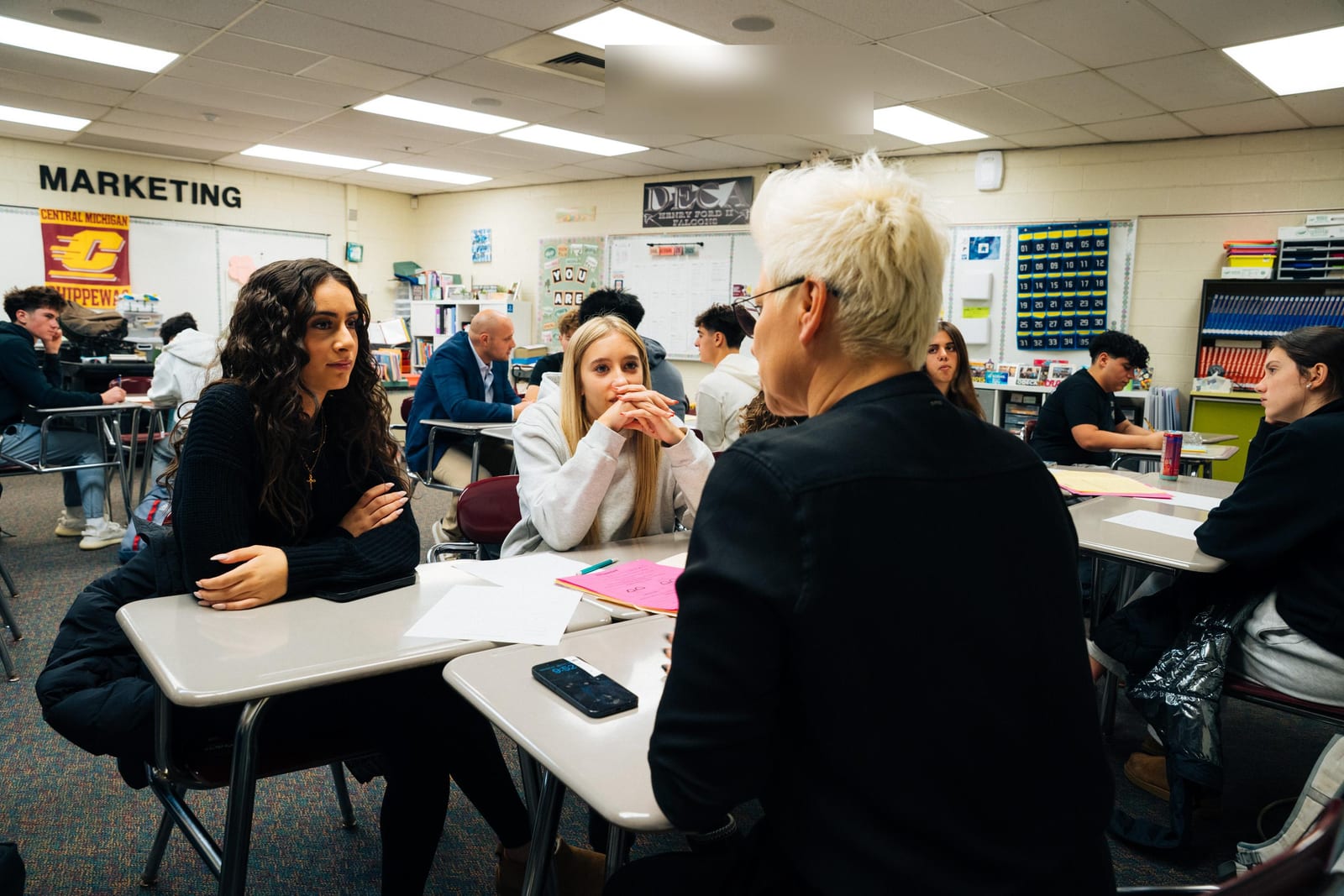
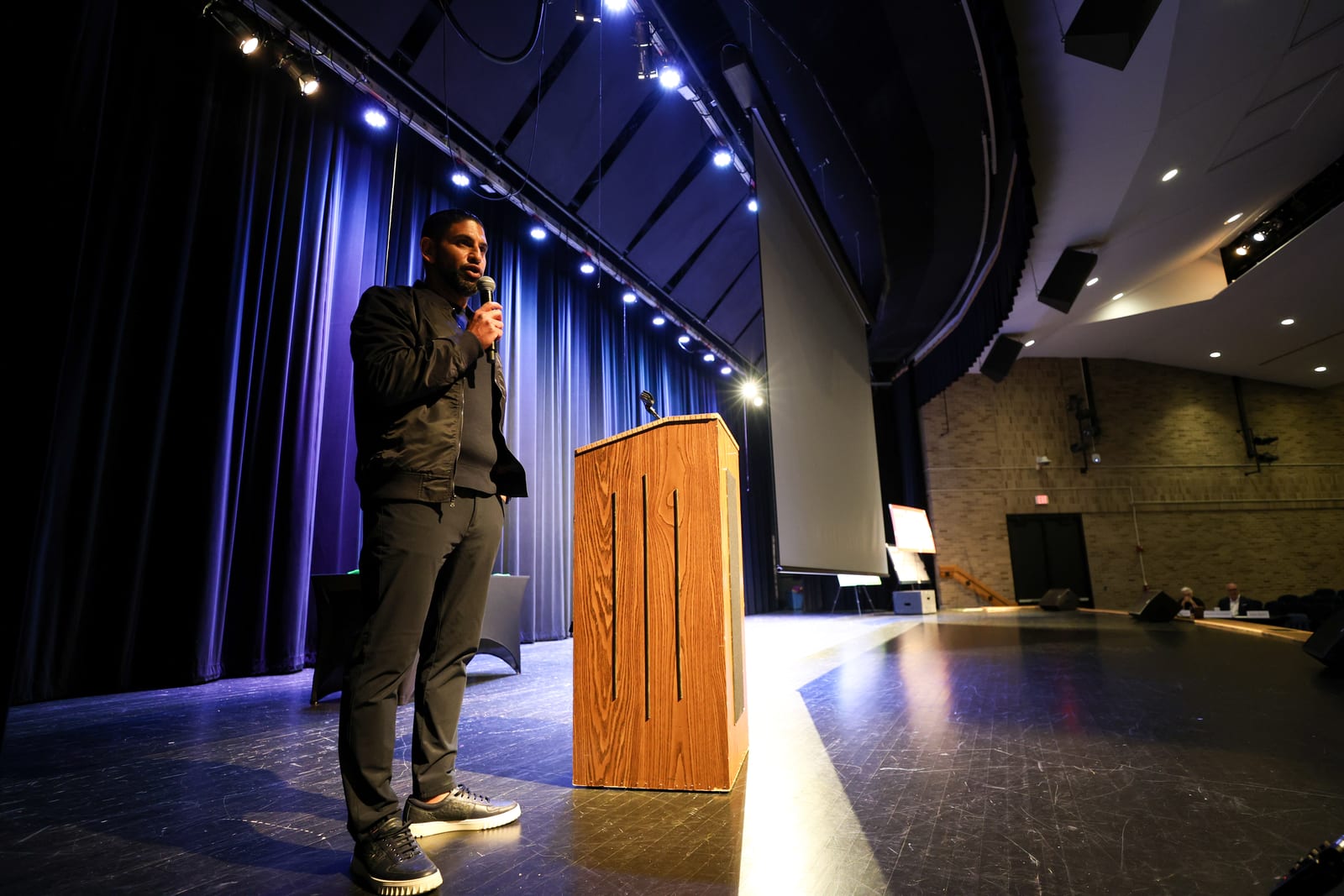
In our first SparkLab program, students who told us in week 1 that they "weren't business people" stood on a competition stage in week 8 and pitched a real business to a panel of working entrepreneurs. They handled hard questions in real time. They defended their numbers. They won cash prizes that went directly to them.
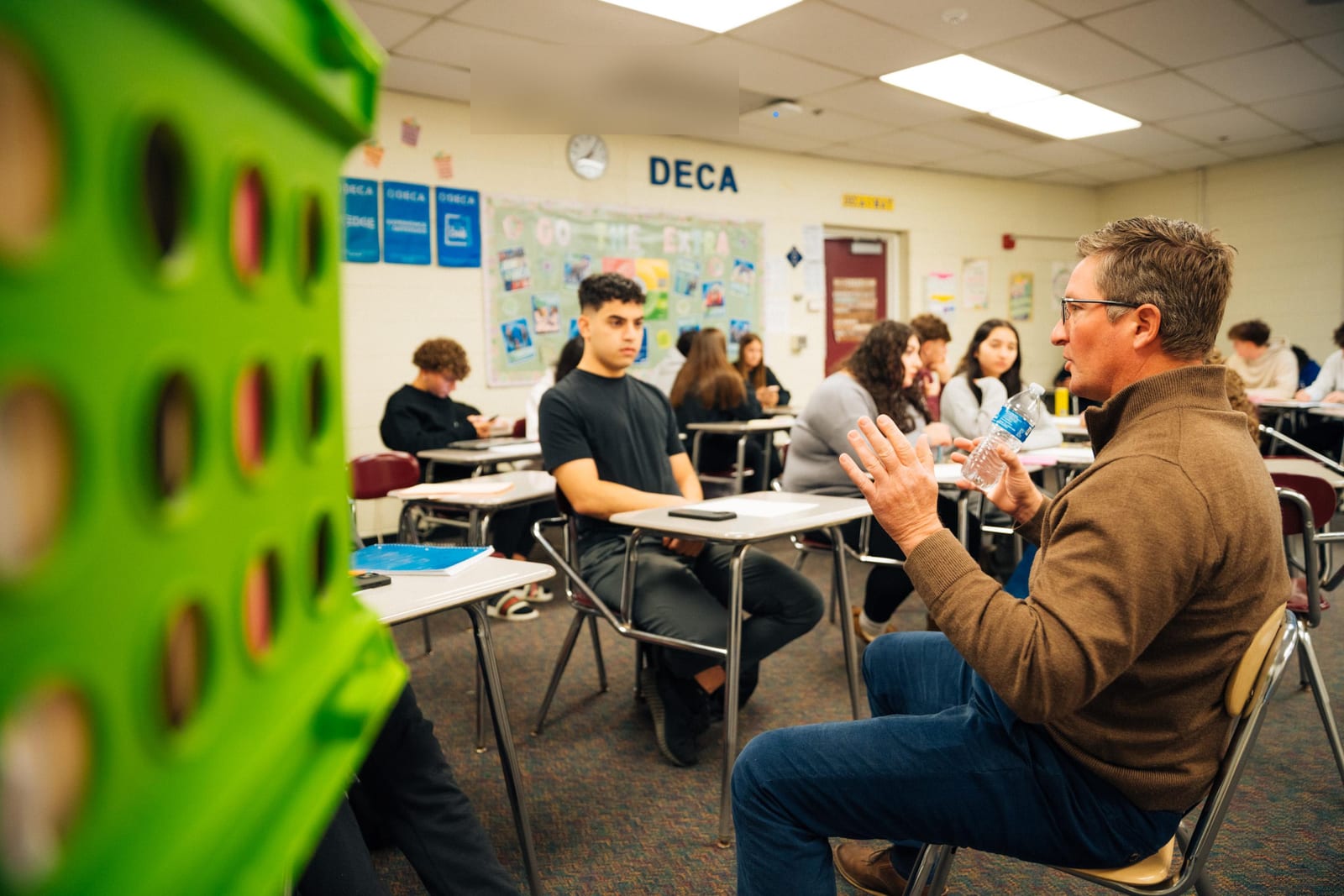
The thing is: very few of those students were "business people" before SparkLab. They were just high schoolers given the right structure, the right mentors, and the chance to actually try.
Where to go from here
If you're a Michigan school administrator wondering whether your students would benefit from a hands-on entrepreneurship program, the answer is almost certainly yes. The harder question is which model to bring in.
SparkLab is designed to be the lowest-friction option: an 8-week drop-in program with all materials, mentor pairings, and a culminating pitch competition handled for you. See how the program is structured or start a conversation about your school.